
Maltese Islands · A visual guide
Malta,
through the lens.
A photographer's guide to Malta and Gozo's streets, coastlines and traditional details.
Explore Valletta, Mdina, Gozo and Maltese heritage through Gabriel Scicluna's existing original photographs. Find ideas for looking at light and architecture, alongside links to each collection.
Where to begin
Look beyond the postcard.
Malta and Gozo reward a slower look. A shaded doorway, a painted balcony or a changing line of light across limestone can tell a story just as well as a famous landmark. These are some of the places and details worth noticing.
01 · Malta's capital
Photographing Valletta's layers of history
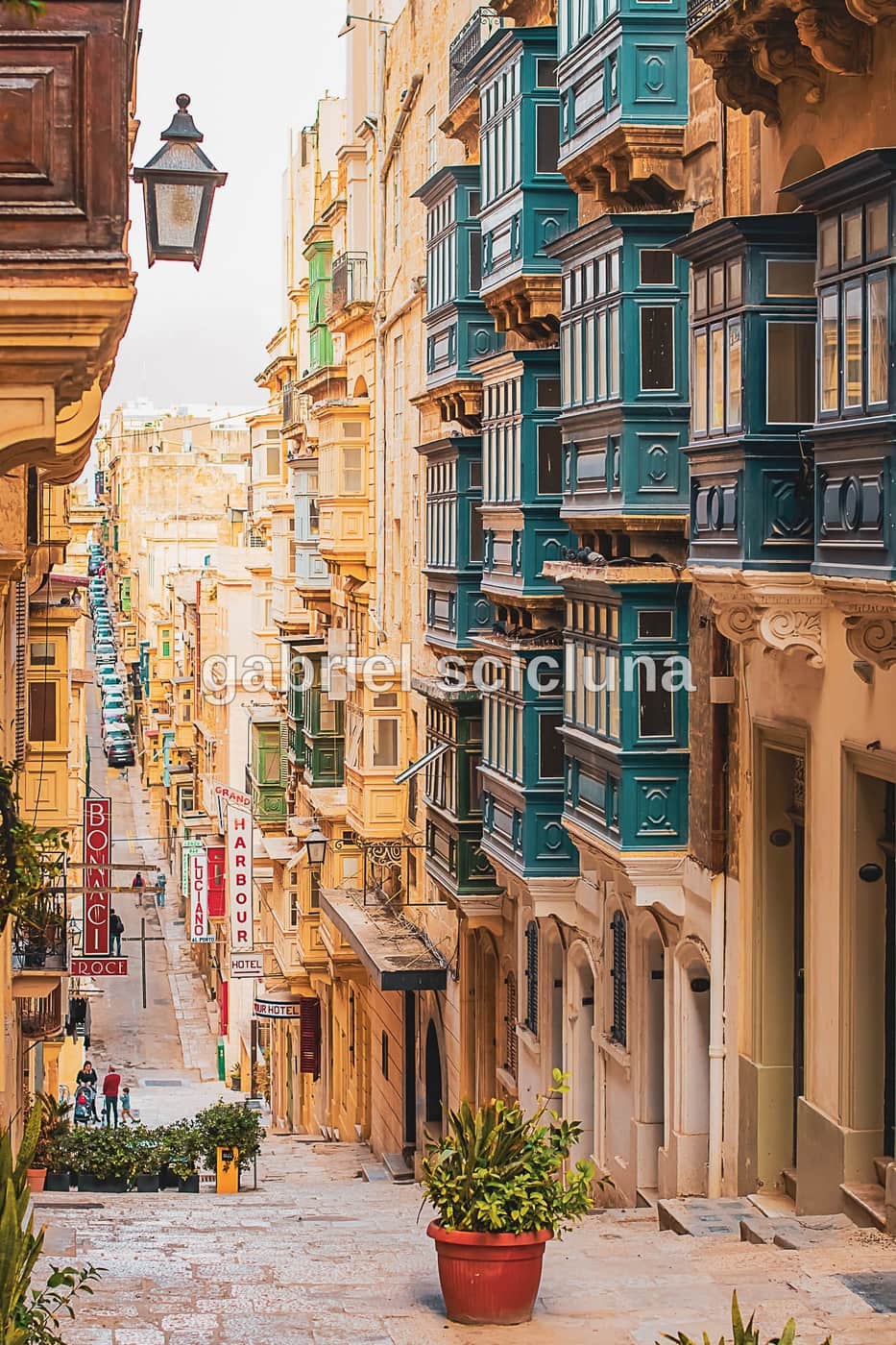
Valletta is full of contrasts: narrow streets opening to wider views, enclosed wooden balconies above limestone facades and small architectural details tucked between grand buildings. A single street can offer repetition, colour and strong lines.
More photography notes
Try framing the whole street before moving closer to a balcony or a carved doorway. Softer light helps retain texture in the stone without losing the brighter detail in the sky. Look for a clear line that carries the eye from the foreground towards the city.
Look for: balconies, domes, stone carvings, street perspectives and harbour views.
02 · The Silent City
Mdina: limestone, shadow and stillness
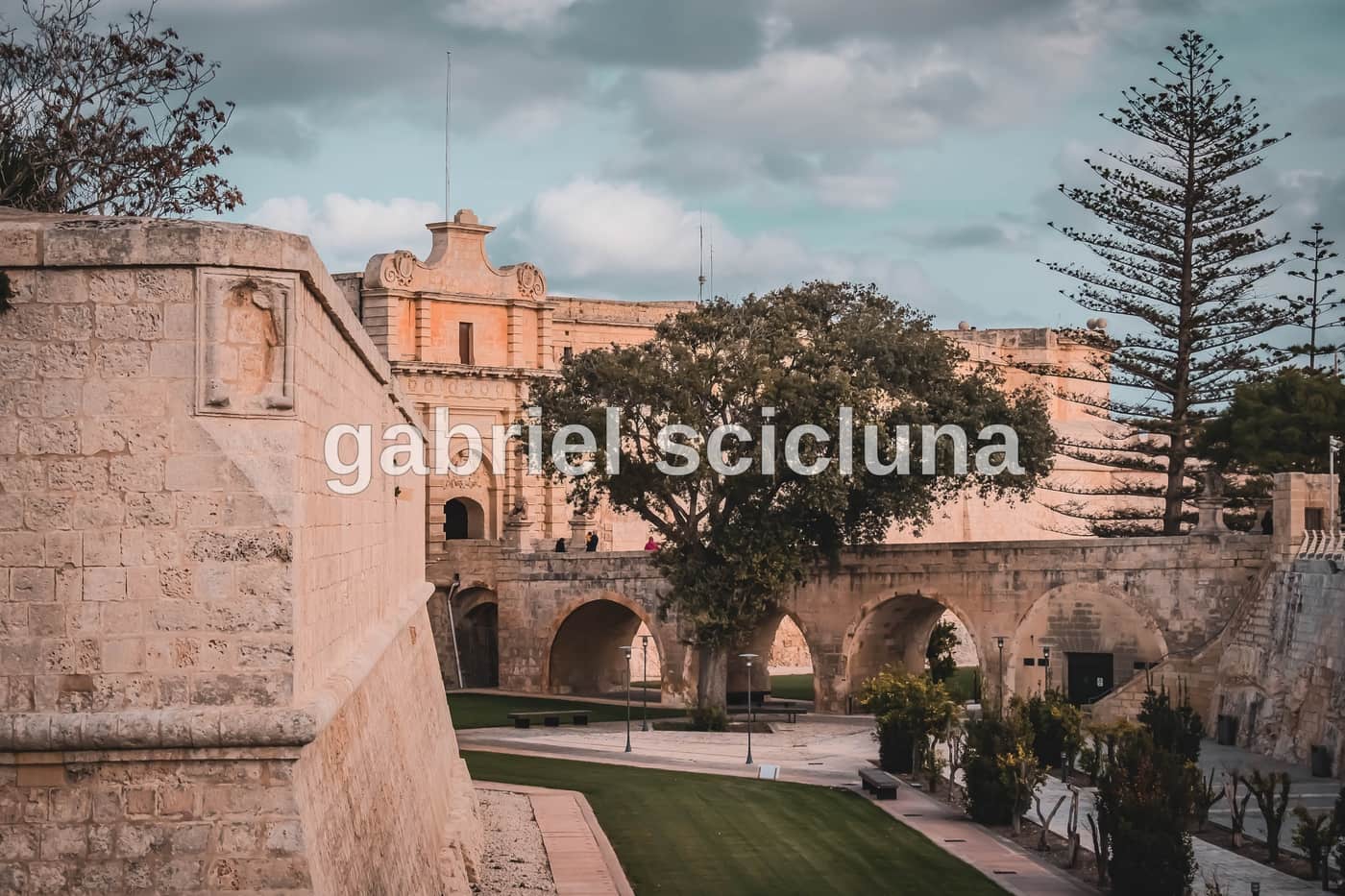
Mdina's walled historic centre rewards a slower walk. Its limestone lanes, arches and doorways offer natural frames while changes in shadow bring out details that are easily missed on a busy day.
More photography notes
Instead of trying to show an entire street at once, look for the way one passage leads into another. The light falling across an archway or the texture on an old wall can be a composition in itself.
Look for: archways, quiet corners, doors, worn stone and the rhythm of narrow streets.
03 · Malta's sister island
Gozo: a coastline inside the frame
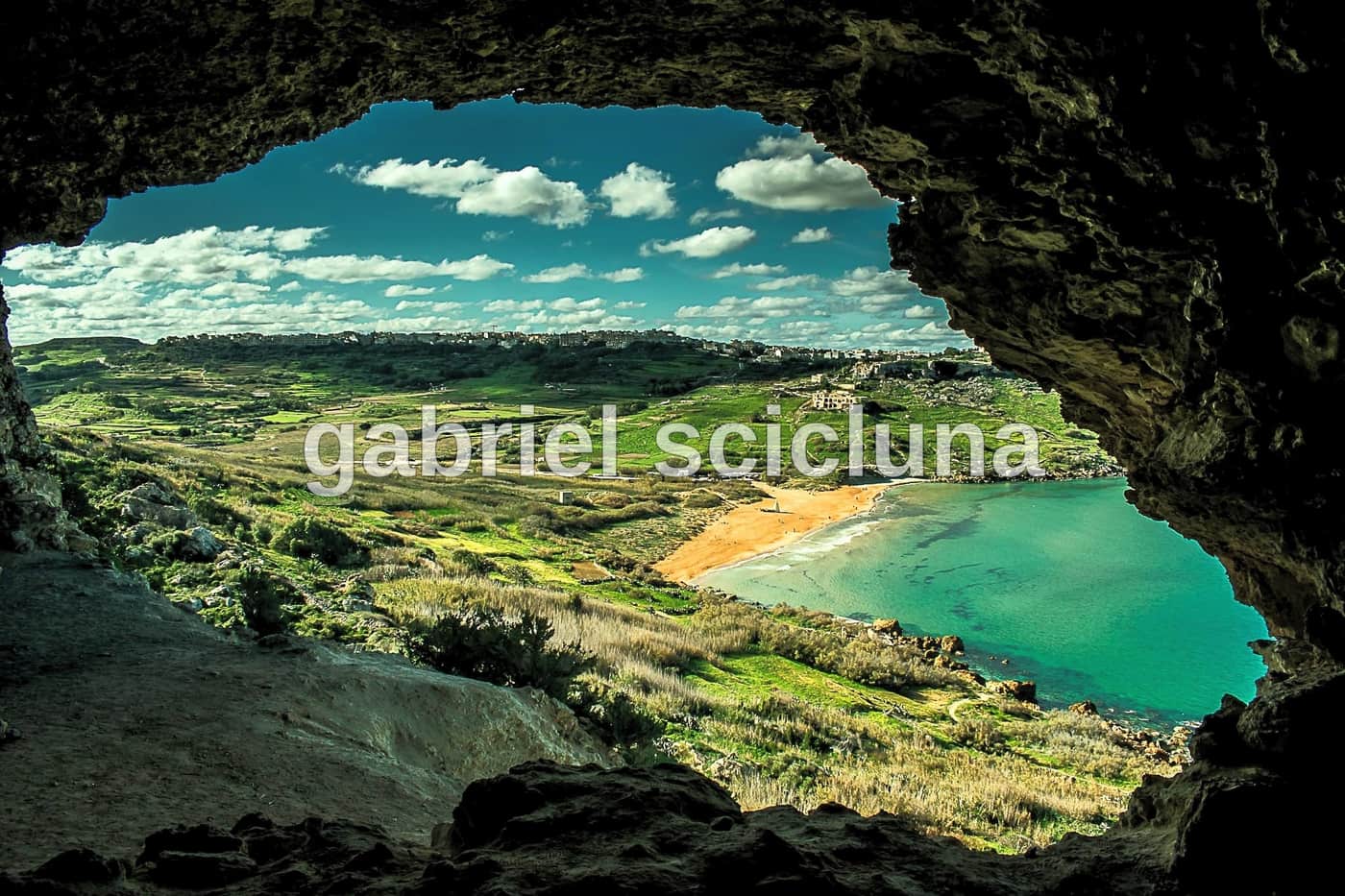
Gozo offers open coastal landscapes alongside villages and everyday architectural details. Mixta Cave is an especially memorable photographic setting: the rocky opening frames the bright sea and coastline beyond.
More photography notes
A dark foreground and bright horizon can be challenging in the same shot. Pay attention to the highlights so the sea retains colour, and experiment with both a wide composition showing the cave opening and a tighter frame of the coast.
Look for: rock formations, natural frames, the sea's colour and village details.
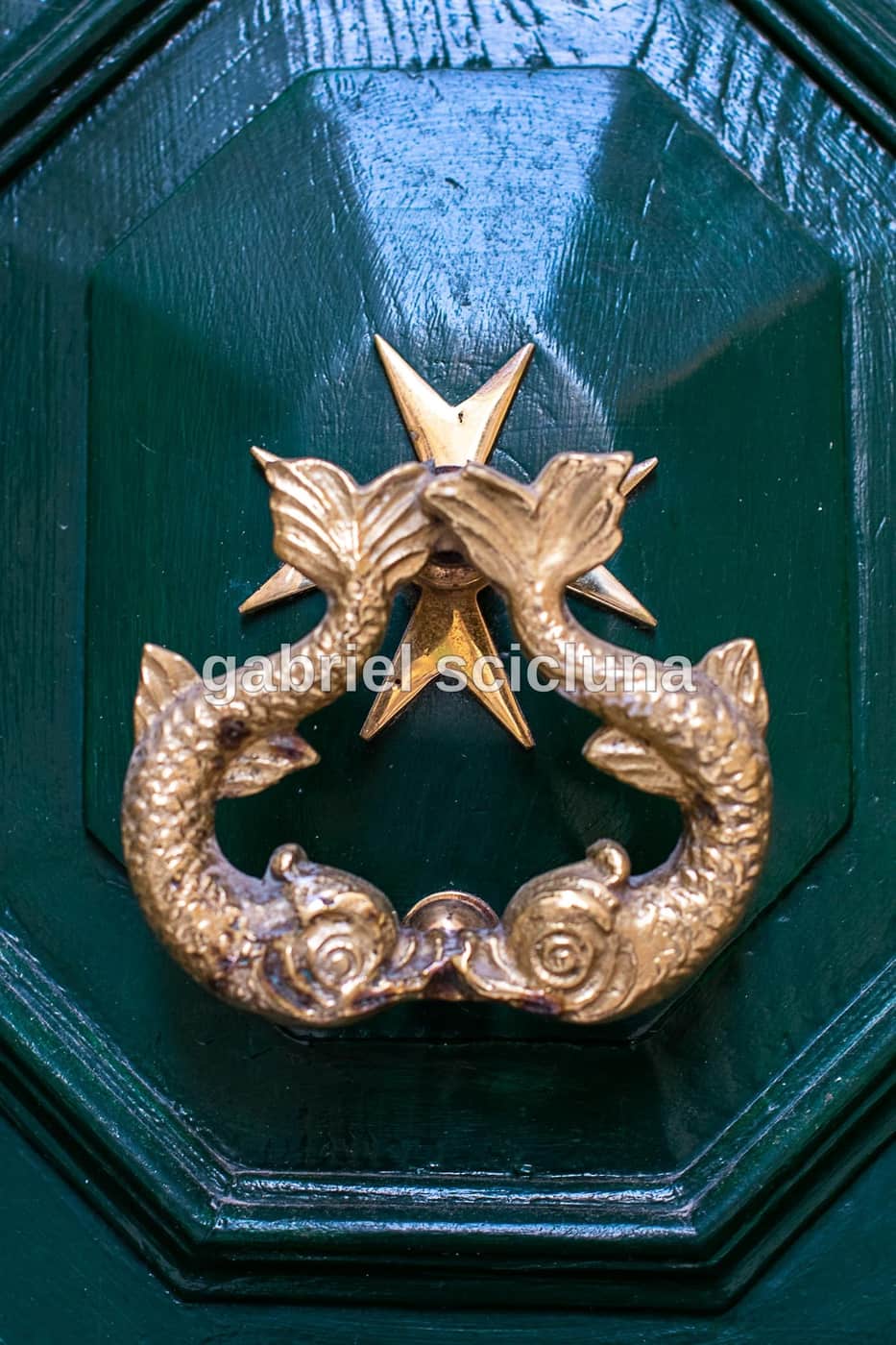
04 · Maltese craftsmanship
Balconies, doors and the details that last
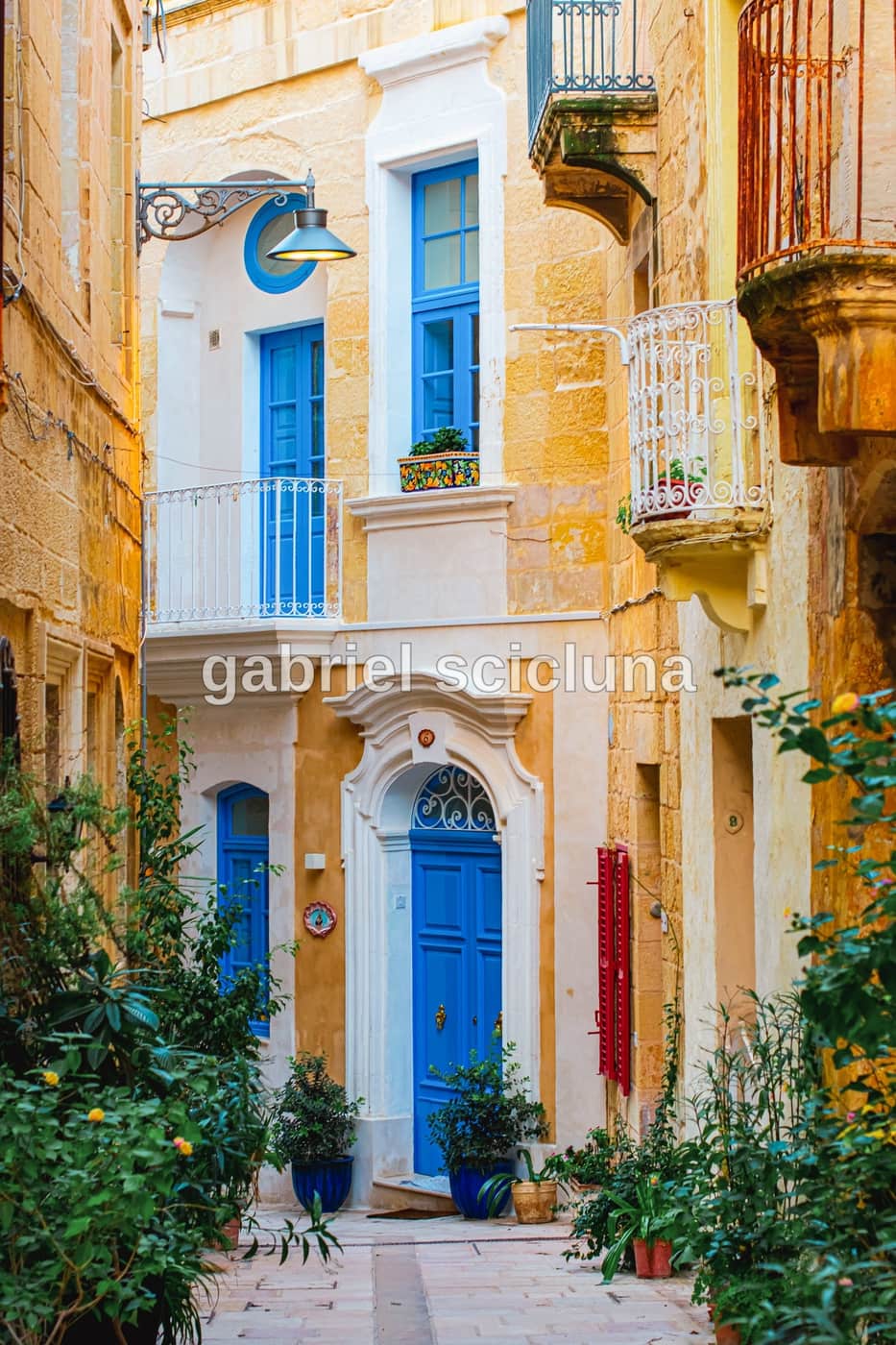
The smallest features of Malta's streets can be the most distinctive. Decorative door knockers, painted wooden doors and enclosed balconies give each limestone facade its character. Changes in colour, shape and metalwork make every detail worth another look.
More photography notes
A close-up can celebrate texture and craftsmanship, while a wider view places the same object within the street. Photographing both gives the viewer a fuller sense of place.
Look for: coloured doors, decorative metalwork, traditional balconies and weathered paint.
For your next photo walk
A few things to remember.
- Follow the light. A limestone street can look completely different in the morning or late afternoon.
- Capture both the detail and the setting. Photograph a knocker close up, then frame the full doorway or street.
- Watch the edges. Use arches, balcony lines and doorways to guide attention.
- Respect the neighbourhood. Many picturesque entrances are private homes; avoid blocking access or photographing into private spaces.
- Keep looking. Familiar locations often reveal a new composition when you slow down.
Continue exploring
More of the Maltese Islands.
Browse Gabriel Scicluna's original collections of landscapes, villages, traditional door knockers and historic streets across Malta and Gozo.
Explore all photography collections